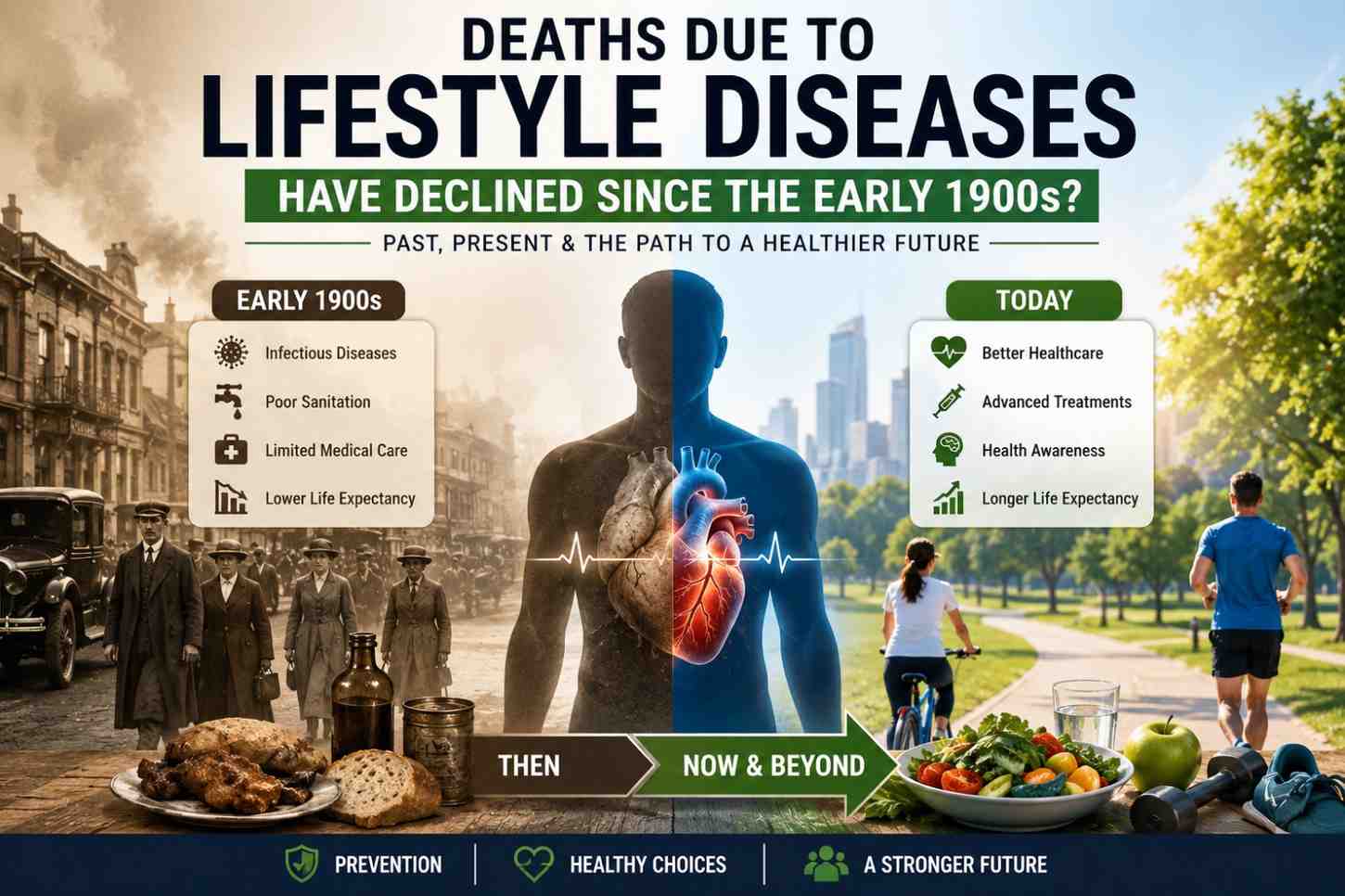
Not exactly. Lifestyle diseases such as heart disease, stroke, type 2 diabetes, and certain cancers are far more common today than they were in the early 1900s because people are living longer and lifestyles have changed dramatically. However, death rates from some of these diseases particularly heart disease and stroke have declined significantly over the past several decades thanks to medical advances, better emergency care, improved treatments, and greater public awareness. Understanding this distinction helps explain why the statement can be misleading without historical context.
Understanding Lifestyle Diseases
Lifestyle diseases, also known as chronic or non-communicable diseases (NCDs), develop gradually and are strongly influenced by daily habits and environmental factors. Unlike infectious diseases, they are not caused by viruses or bacteria but often result from a combination of genetics, aging, diet, physical inactivity, smoking, excessive alcohol consumption, chronic stress, and obesity.
Some of the most common lifestyle diseases include:
- Heart disease
- Stroke
- Type 2 diabetes
- High blood pressure
- Obesity
- Certain cancers
- Chronic respiratory diseases
These conditions are now responsible for the majority of deaths worldwide.
What Were People Dying From in the Early 1900s?
To understand whether deaths due to lifestyle diseases have declined since the early 1900s, it’s important to know what people were dying from during that era. At the beginning of the 20th century, infectious diseases dominated public health. Tuberculosis, pneumonia, influenza, cholera, typhoid fever, measles, and poor sanitation claimed millions of lives. Medical treatments were limited, antibiotics had not yet been discovered, and vaccines were unavailable for many diseases. Average life expectancy was also much lower. Many people died before reaching the ages at which chronic diseases typically develop. As a result, lifestyle diseases existed but accounted for a much smaller proportion of total deaths.
The Epidemiological Transition: Why Causes of Death Changed
One of the biggest shifts in public health history is known as the epidemiological transition. As healthcare improved during the 20th century, deaths from infectious diseases declined dramatically because of:
- Better sanitation
- Clean drinking water
- Vaccination programs
- Antibiotics
- Improved nutrition
- Advances in medical care
Since more people began living into their 60s, 70s, and beyond, chronic illnesses naturally became more common. This doesn’t necessarily mean people suddenly became less healthy. Instead, they survived diseases that once killed them at a young age and lived long enough to develop age-related conditions.
Also Read: Which of the Following Tactics Can Reduce the Likelihood of Injury?
Have Death Rates from Lifestyle Diseases Actually Declined?
This is where the answer becomes more nuanced. Heart disease has remained one of the leading causes of death for decades. However, the age-adjusted death rate from heart disease has fallen substantially since the 1960s and 1970s. Several factors contributed to this improvement:
Early diagnosis allows doctors to detect problems before they become life-threatening. Modern medications help control cholesterol, blood pressure, and diabetes more effectively than ever before. Emergency treatments for heart attacks and strokes have improved survival rates dramatically. Public health campaigns have also encouraged millions of people to quit smoking and adopt healthier lifestyles. Similar progress has been seen with stroke mortality, where advances in emergency medicine and rehabilitation have significantly reduced deaths. This means that while more people may develop certain lifestyle diseases, fewer people die from some of them compared with previous decades because treatment has improved.
Why Lifestyle Diseases Are More Common Today
Although mortality has improved for several chronic diseases, lifestyle diseases themselves have become increasingly widespread.
- Modern lifestyles contribute to higher risks through:
- Poor dietary habits with processed foods and excess sugar.
- Sedentary jobs that involve sitting for long periods.
- Reduced physical activity.
- Higher obesity rates.
- Long-term stress.
- Poor sleep habits.
- Smoking and excessive alcohol consumption.
These factors increase the likelihood of developing chronic health conditions, even though modern medicine is better at managing them.
Medical Advances Have Changed Survival Rates
One of the biggest reasons people survive lifestyle diseases today is continuous medical innovation. Today’s healthcare offers treatments that were unimaginable in the early 1900s. Doctors now use advanced imaging technology to detect disease earlier. Minimally invasive surgeries reduce complications and recovery times.
Medications effectively control blood pressure and cholesterol, while modern cancer therapies continue improving survival rates. Preventive healthcare has also become much more common through regular health screenings and annual checkups. These improvements help explain why mortality rates for several chronic diseases have declined despite increasing diagnosis rates.
Also Read:
Prevention Remains More Powerful Than Treatment
Although medicine has made enormous progress, prevention remains the best defense against lifestyle diseases. Healthy habits continue to lower the risk of developing chronic illnesses. Eating a balanced diet rich in fruits, vegetables, whole grains, and lean protein supports long-term health.
Regular exercise strengthens the heart and helps maintain a healthy weight. Avoiding tobacco products, limiting alcohol, managing stress, and getting enough sleep all contribute to disease prevention. Even small lifestyle changes practiced consistently can have lasting health benefits.
Common Myths About Lifestyle Disease Deaths
One common misconception is that lifestyle diseases have simply disappeared because modern medicine has advanced. In reality, they remain the leading cause of death globally. Another misunderstanding is that medical treatment alone solves the problem. While healthcare has improved survival rates, prevention still plays the largest role in reducing disease risk. Understanding the difference between disease prevalence and death rates helps clarify why the original statement is only partially true.
Also Read: What Is Brisk Walking? Benefits, Pace, and How to Get Started
What the Research Really Shows
Historical health data paints a clear picture. Deaths from infectious diseases have declined dramatically since the early 1900s. Lifestyle diseases now account for a much larger share of deaths because populations are living longer. At the same time, advances in medicine have reduced death rates for several major chronic illnesses, particularly cardiovascular diseases. So, while lifestyle diseases have become more common, the likelihood of dying from some of them has decreased thanks to prevention, early detection, and improved medical care.
Final Thoughts
The statement “deaths due to lifestyle diseases have declined since the early 1900s” is only accurate when viewed within the proper historical context. Lifestyle diseases have become the world’s leading health challenge as life expectancy has increased, but advances in healthcare have dramatically improved survival for many chronic conditions.
The biggest lesson from history is that medicine can save lives, but healthy lifestyle choices remain the most effective way to prevent disease before it starts. As healthcare continues to evolve, combining medical innovation with healthier daily habits will remain the key to reducing the global burden of lifestyle-related diseases.
FAQs
Have deaths due to lifestyle diseases declined since the early 1900s?
Partially. Death rates from several major lifestyle diseases have declined because of medical advances, but chronic diseases themselves have become much more common than they were in the early 1900s.
Why were lifestyle diseases less common in the early 1900s?
Many people died from infectious diseases before reaching the age when chronic diseases typically develop.
What is considered a lifestyle disease?
Lifestyle diseases include heart disease, stroke, type 2 diabetes, obesity, hypertension, chronic respiratory disease, and some cancers.
Are lifestyle diseases preventable?
Many are largely preventable through healthy eating, regular physical activity, avoiding tobacco, limiting alcohol, maintaining a healthy weight, and managing stress.
What caused the biggest improvement in death rates?
Better healthcare, modern medications, vaccines, emergency treatment, public health programs, and earlier diagnosis have all contributed to improved survival.